
Understanding the psychological triggers that influence casino behavior
Understanding the psychological triggers that influence casino behavior
The Allure of Casino Atmosphere
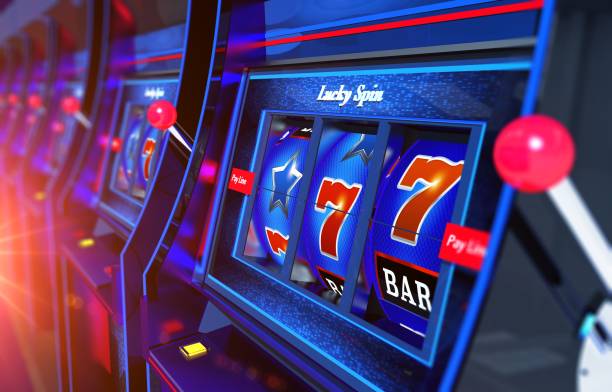
The atmosphere of a casino is meticulously designed to captivate and engage players. Bright lights, exciting sounds, and vibrant colors create an immersive environment that stimulates the senses. This sensory overload can trigger emotional responses, making individuals feel exhilarated and ready to take risks. With the thrilling experience offered by australian rainbet, the ambiance becomes even more enticing, purposefully crafted to encourage longer stays and turning short visits into extended gaming sessions. This emotional high can lead to impulsive betting behavior, driven by the excitement of the environment.

Moreover, the layout of a casino plays a crucial role in influencing player behavior. Casinos often use a maze-like design to keep players engaged and disoriented, making it difficult to locate exits. This design tactic keeps players trapped in the excitement, fostering a sense of urgency that encourages them to continue playing. People may lose track of time and money, lured by the continuous stimulation of their surroundings. Understanding how the environment can manipulate behavior is essential for both players and operators.
Lastly, the social aspect of casinos cannot be overlooked. The presence of fellow players, dealers, and even spectators creates a communal atmosphere. Social interactions can amplify feelings of excitement and competition, prompting players to take more significant risks. This social engagement can lead to a phenomenon known as “loss aversion,” where individuals double down on their bets in hopes of recovering losses, further influencing their gaming behavior. This combination of sensory overload and social interaction plays a pivotal role in shaping player experiences.
The Role of Cognitive Biases
Cognitive biases are mental shortcuts that can lead to irrational decision-making, especially in high-stakes environments like casinos. One common bias is the “gambler’s fallacy,” where individuals believe that past outcomes affect future results. For example, if a roulette wheel has landed on red multiple times, a player might think that black is “due” to come up next. This misconception can lead to increased betting and risk-taking, as players chase perceived patterns in random games.
Another prevalent bias is the “illusion of control,” where players believe they can influence game outcomes through their actions. This is especially evident in games like poker, where players may feel that their skills significantly impact their wins or losses. This belief can lead to overconfidence, prompting individuals to gamble more frequently or with larger sums. Recognizing these cognitive biases can help players understand their decision-making processes and make more informed choices while gambling.
Moreover, the “near-miss effect” also plays a significant role in influencing gambling behavior. When players experience close calls, such as spinning three similar symbols on a slot machine but not winning, it can create a false sense of hope and encourage them to continue playing. These near-misses can feel rewarding, leading players to believe they are closer to winning, even when the odds remain unchanged. Understanding these biases and their psychological impact is essential for fostering responsible gambling habits.
The Impact of Reward Systems
Reward systems in casinos are designed to exploit the brain’s pleasure centers, driving players to seek out the thrill of winning. The concept of variable rewards, where payouts are unpredictable, creates an exhilarating experience akin to a rollercoaster ride. This unpredictability is what keeps players returning for more, as the possibility of hitting a jackpot can be extremely enticing. Each win, no matter how small, releases dopamine, reinforcing the behavior and making it more likely for players to continue gambling.
Additionally, many casinos offer loyalty programs that reward frequent players with bonuses, free spins, or other incentives. These systems can create a sense of belonging and exclusivity, encouraging players to gamble more to maintain their status within the program. Players may feel compelled to visit more often to earn rewards, which can lead to increased gambling behavior and spending. Understanding how these reward systems work can help individuals recognize when they are being influenced by external incentives.
Another important aspect of rewards is the social recognition that comes with them. When players achieve milestones within loyalty programs, it often leads to public acknowledgment, whether through leaderboards or shout-outs from staff. This social reinforcement can create a desire for players to showcase their successes and achieve higher statuses within the casino community, further fueling gambling behaviors. Recognizing the power of reward systems is critical for understanding their influence on casino behavior.
The Psychology of Loss and Risk
The emotional response to loss is profound, especially in a gambling context. Many players experience heightened anxiety and frustration when faced with losses, prompting them to engage in riskier behavior in an attempt to recover their money. This phenomenon, often termed “chasing losses,” can lead players to gamble beyond their means, driven by the hope of turning their fortunes around. Understanding this psychological response is vital for promoting responsible gambling habits.
Additionally, the concept of “loss aversion” plays a crucial role in casino behavior. Research has shown that people tend to prefer avoiding losses over acquiring equivalent gains, leading to an emotional response that can cloud judgment. This aversion can lead players to make irrational decisions, such as increasing their bets in an attempt to offset losses. Recognizing this emotional response can help individuals better manage their reactions to losses and make more calculated decisions during play.
Furthermore, risk perception varies greatly among individuals, influenced by personal experiences and psychological factors. Some players may thrive on high-risk games, seeking the thrill of uncertainty, while others may prefer lower-stakes options. Understanding these differences can help casinos tailor their offerings to suit a diverse clientele while ensuring that players remain aware of their own risk tolerance. Recognizing how loss and risk influence behavior can empower individuals to approach gambling with a more measured perspective.
Exploring Responsible Gaming at Rainbet Casino
Rainbet Casino is committed to providing a secure and enjoyable gaming experience for players, emphasizing responsible gambling practices. With over 500 engaging games and a user-friendly interface, the platform is designed to cater to the diverse needs of its users. Players can enjoy a wide array of gaming options while having access to tools that help manage their gambling habits effectively.
The casino offers resources and features aimed at promoting responsible gaming. These include deposit limits, time-out options, and self-exclusion measures that empower players to take control of their gaming experience. By raising awareness about the psychological triggers that can influence gambling behavior, Rainbet ensures that players can make informed choices while enjoying their favorite games.
In addition to its commitment to responsible gaming, Rainbet Casino also provides a vibrant community for players to engage and socialize. By fostering a safe and welcoming environment, the platform enables individuals to enjoy gaming without compromising their well-being. As a premier online gaming platform, Rainbet offers an exciting and rewarding experience for players, while prioritizing their safety and responsible gambling practices.